
AI-Driven Portfolio Optimization: Maximizing Returns in a Dynamic Market


In today's rapidly changing financial landscape, investors are constantly seeking ways to maximize returns while managing risks. Enter AI-driven portfolio optimization, a groundbreaking approach that leverages cutting-edge technology to enhance investment strategies. By integrating artificial intelligence into portfolio management, investors can gain a competitive edge in dynamic markets.
AI-driven portfolio optimization utilizes sophisticated algorithms and machine learning techniques to analyze vast datasets, identify patterns, and predict future market trends. This approach allows investors to make more informed decisions, ultimately leading to improved performance and risk management.

Understanding AI-Driven Portfolio Optimization
At its core, AI-driven portfolio optimization involves the use of advanced algorithms to determine the most efficient allocation of assets. By analyzing historical data and current market conditions, AI systems can suggest optimal investment strategies that align with an investor's risk tolerance and financial goals. This technology goes beyond traditional methods by continuously learning and adapting to new information.
One of the key advantages of AI in portfolio optimization is its ability to process and analyze data at an unprecedented scale and speed. This capability enables investors to identify emerging opportunities and risks that might be overlooked by human analysts.
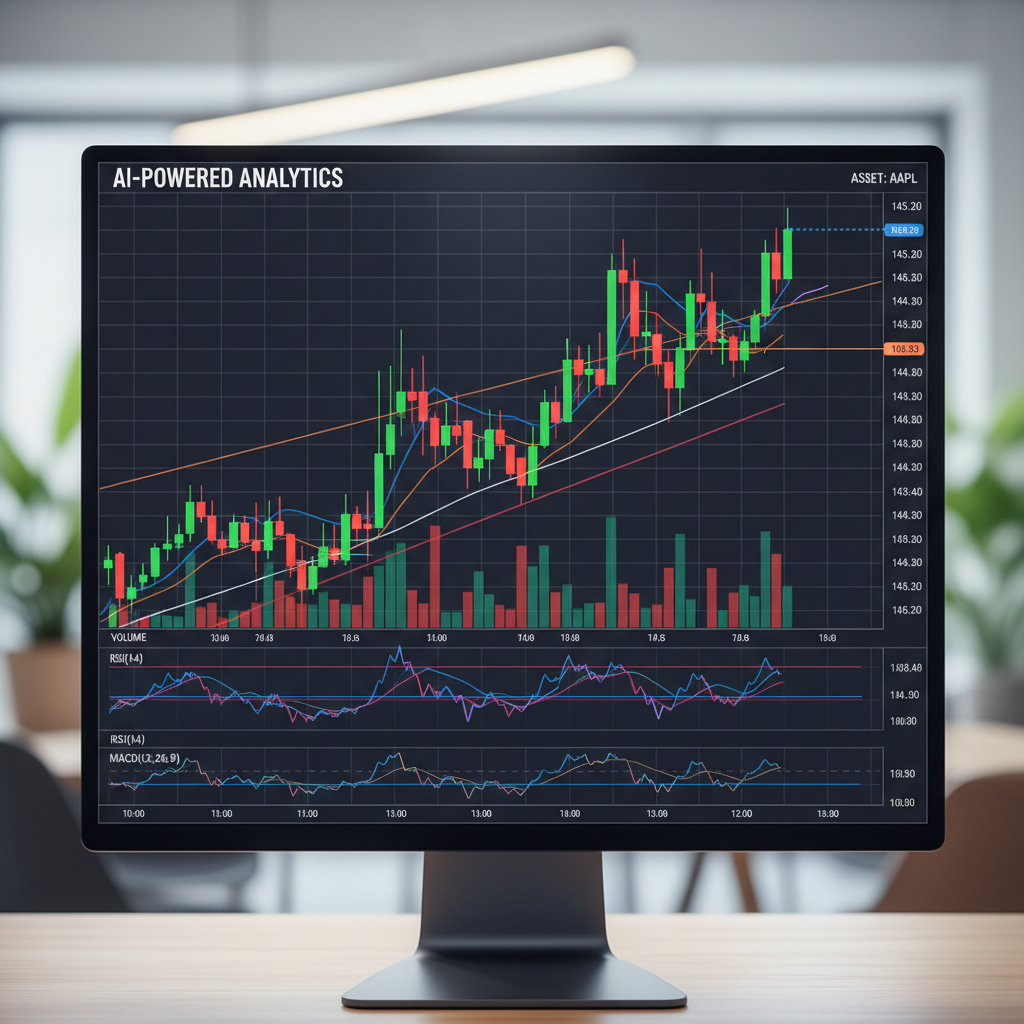
Benefits of AI-Driven Approach
AI-driven portfolio optimization offers several benefits that contribute to maximizing returns:
- Data-Driven Insights: AI systems provide data-driven insights that enhance decision-making processes, leading to more strategic investments.
- Risk Management: By identifying potential risks early, AI helps investors mitigate losses and maintain portfolio stability.
- Efficiency: Automation reduces the time and effort required for portfolio analysis, allowing investors to focus on strategic planning.
Furthermore, AI's predictive capabilities are instrumental in navigating volatile markets. By analyzing market trends, sentiment, and economic indicators, AI can anticipate market shifts, enabling investors to adjust their portfolios proactively.

Challenges and Considerations
While AI-driven portfolio optimization offers significant advantages, it also presents challenges that must be addressed. One major concern is the quality of data used for analysis. Inaccurate or incomplete data can lead to suboptimal investment decisions. Therefore, ensuring data integrity and accuracy is crucial for effective AI implementation.
Additionally, the reliance on technology introduces the risk of algorithmic biases. To mitigate this, continuous monitoring and refinement of AI models are necessary to ensure unbiased and fair investment strategies.
Implementing AI in Portfolio Management
For investors looking to integrate AI into their portfolio management processes, collaboration with experienced technology providers is essential. These providers offer the expertise and tools needed to develop custom AI solutions tailored to specific investment goals.
Moreover, investors should prioritize education and training to understand AI's capabilities and limitations. This knowledge empowers them to make informed decisions and effectively collaborate with technology providers.
In conclusion, AI-driven portfolio optimization represents a transformative approach to investment management. By harnessing the power of artificial intelligence, investors can maximize returns, manage risks, and stay ahead in a dynamic market. As technology continues to evolve, the potential for AI in finance will only grow, offering exciting opportunities for forward-thinking investors.